

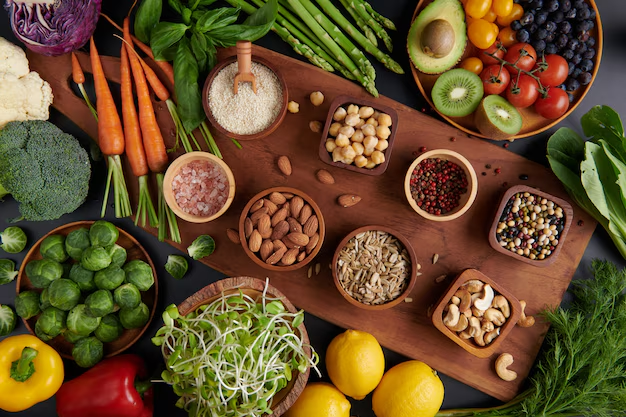
The Power of Nutrition: How Small Changes Can Transform Your Health
Introduction:
Nutrition is more than just about eating fruits and vegetables. It’s the foundation of our health, fueling everything from our energy levels to our brain function and immune system. By understanding the science behind nutrition and making simple adjustments, we can drastically improve our lives.
Section 1: Understanding the Basics of Nutrition
- Macronutrients: The building blocks of our diet – carbohydrates, proteins, and fats. Each has a specific role in keeping us healthy.
- Carbs: Main source of energy, found in grains, fruits, and vegetables.
- Proteins: Essential for muscle growth and repair, found in meats, legumes, and dairy.
- Fats: Important for hormone production and brain health, found in nuts, seeds, and oils.
- Micronutrients: These vitamins and minerals are needed in smaller amounts but are crucial for immune function, bone health, and more.
- Common vitamins include Vitamin D, Vitamin C, and the B-vitamins.
- Minerals like calcium, magnesium, and iron are essential for various bodily functions.
Section 2: How to Build a Balanced Plate
- The Plate Method: Fill half of your plate with fruits and vegetables, one-quarter with lean proteins, and one-quarter with whole grains.
- Portion Control: Learning portion sizes is key to avoid overeating and ensures that each meal is nutrient-rich.
- Colorful Plates: The more color you add, the more variety of nutrients you get. Think red peppers, spinach, blueberries, and sweet potatoes!
Section 3: The Importance of Hydration
- Water Is Life: Water helps with digestion, nutrient absorption, and temperature regulation. Make sure you’re drinking enough daily.
- Electrolytes Matter Too: Along with water, electrolytes (like sodium, potassium, and magnesium) are necessary to maintain fluid balance in the body.
Section 4: Nutrition Myths Busted
- Myth 1: Carbs Make You Gain Weight: Not all carbs are created equal. Whole grains, fruits, and vegetables are healthy sources that provide energy and fiber.
- Myth 2: You Need to Avoid Fat for Weight Loss: Healthy fats from avocados, nuts, and olive oil can actually help with weight management.
- Myth 3: Eating Late at Night Leads to Weight Gain: What matters is overall calorie intake and the quality of food, not necessarily the time of day.
Section 5: The Impact of Nutrition on Mental Health
- Gut-Brain Connection: Emerging research shows that the gut microbiome has a powerful effect on brain health and mood.
- Nutrients for Brain Health: Omega-3 fatty acids, antioxidants, and B-vitamins are essential for cognitive function and mood regulation.
Section 6: How to Make Healthy Eating Habits Stick
- Start Small: Don’t try to overhaul your entire diet overnight. Focus on one change at a time – such as drinking more water or adding a salad to your lunch.
- Meal Prep: Preparing meals in advance ensures that you always have healthy options available, reducing the temptation to rely on processed foods.
- Mindful Eating: Pay attention to what you’re eating and how it makes you feel. Eating slowly and mindfully helps you tune into your hunger cues.
Conclusion:
Nutrition is a journey, not a destination. By making small, informed changes, we can transform our health and live more vibrant lives. Start with one tip from this post, and see how it makes you feel!
Call to Action:
Interested in more nutrition tips? Subscribe to our newshunt for weekly updates on how to nourish your body and mind.
