


The Importance of Hydration: Why Water Is Your Body’s Most Essential Fuel
Introduction:
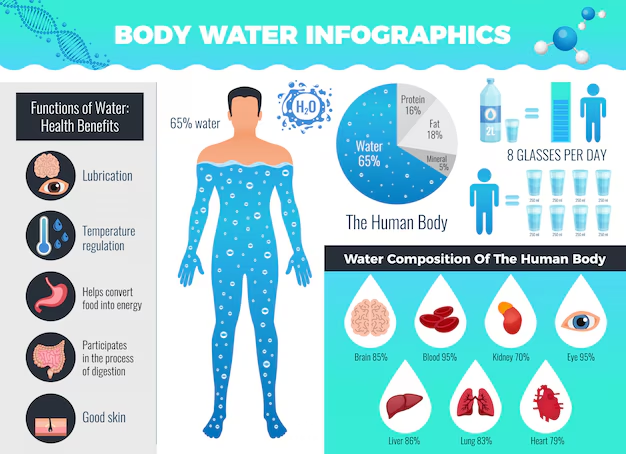
When it comes to maintaining good health, hydration often doesn’t get the attention it deserves. We know we need food to fuel our bodies, but water is just as crucial for keeping everything running smoothly. Our bodies are made up of around 60% water, and every cell, tissue, and organ depends on it to function properly. But how much water do we really need? What are the benefits of staying hydrated? And how can we make sure we’re drinking enough?
In this blog post, we’ll dive into the importance of hydration and why staying properly hydrated is essential for your health.
Why Hydration Matters: The Science Behind Water
Water is involved in nearly every bodily function. From digesting food to regulating body temperature, water plays a critical role in keeping things working efficiently. Here are some key reasons why hydration is so important:
Supports Cellular Function
- Every cell in your body requires water to function. Water helps carry nutrients into cells and remove waste from them. Without sufficient hydration, cells cannot perform their tasks efficiently, leading to decreased energy levels and overall body function.
Regulates Body Temperature
- Sweating and breathing are your body’s natural cooling systems, and they rely on water to maintain temperature balance. If you’re not properly hydrated, you may struggle to regulate your body temperature, especially in hot or humid conditions.
Aids Digestion and Nutrient Absorption
- Water is essential for the digestion of food and the absorption of nutrients. It helps break down food, so your body can absorb the nutrients it needs, and it keeps things moving smoothly through your digestive system.
Lubricates Joints
- Hydration also plays a role in lubricating joints. Synovial fluid, which helps your joints move smoothly, is made up of mostly water. Keeping hydrated helps maintain flexibility and prevent discomfort, especially during physical activity.
Detoxifies the Body
- Your kidneys rely on water to help flush out toxins and waste through urine. Proper hydration ensures that your kidneys can do their job effectively, reducing the risk of kidney stones and other issues.
Boosts Mental Clarity and Focus
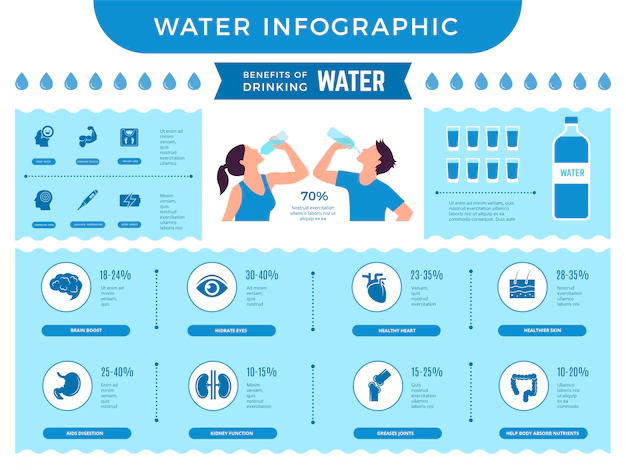
- Even mild dehydration can affect brain function. Studies show that staying hydrated helps improve concentration, memory, and mood. It can also reduce the risk of headaches and fatigue.
How Much Water Do You Really Need?
The amount of water you need can depend on several factors, including your age, gender, activity level, and the climate you live in. However, there are general guidelines to help you get started:
The 8×8 Rule:
A simple guideline is to drink eight 8-ounce glasses of water a day. This equals about 2 liters or half a gallon of water. While this rule is easy to remember, some people may need more or less depending on individual factors.Institute of Medicine Recommendations:
The Institute of Medicine suggests that men should aim for about 3.7 liters (125 ounces) of total water intake per day, while women should aim for 2.7 liters (91 ounces). This includes water from all sources, including food and beverages.Adjusting for Activity:
If you’re physically active, you’ll need more water to compensate for the fluid lost through sweat. A good rule of thumb is to drink an additional 8 ounces of water for every 30 minutes of moderate exercise.Climate Considerations:
Hot or humid weather can cause your body to sweat more, increasing your need for hydration. If you live in a warmer climate, make sure to drink extra water to stay cool and hydrated.
Signs You’re Not Drinking Enough Water
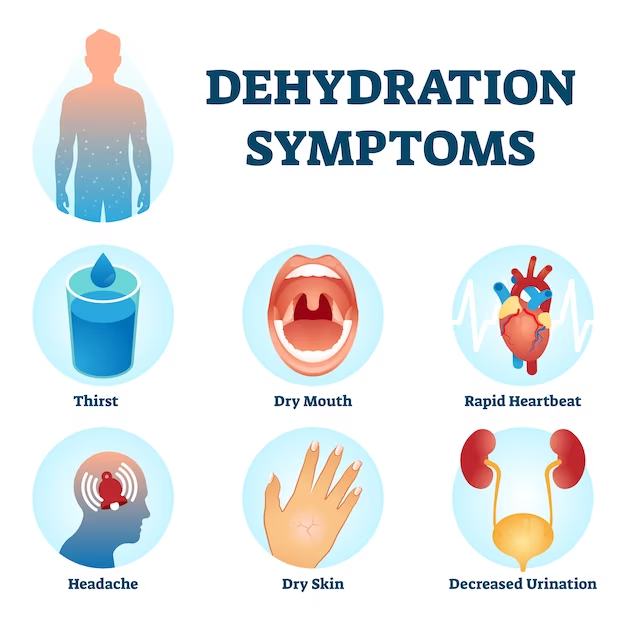
Dehydration can sneak up on you, especially if you’re busy or don’t feel thirsty often. However, your body will give you clues when you’re not getting enough water. Watch out for these signs:
- Dry Mouth and Throat
- Fatigue and Low Energy
- Headaches or Dizziness
- Dark Yellow Urine
- Dry Skin
- Muscle Cramps
- Constipation
If you experience any of these symptoms, it may be time to up your water intake and rehydrate.
Tips to Stay Hydrated Throughout the Day
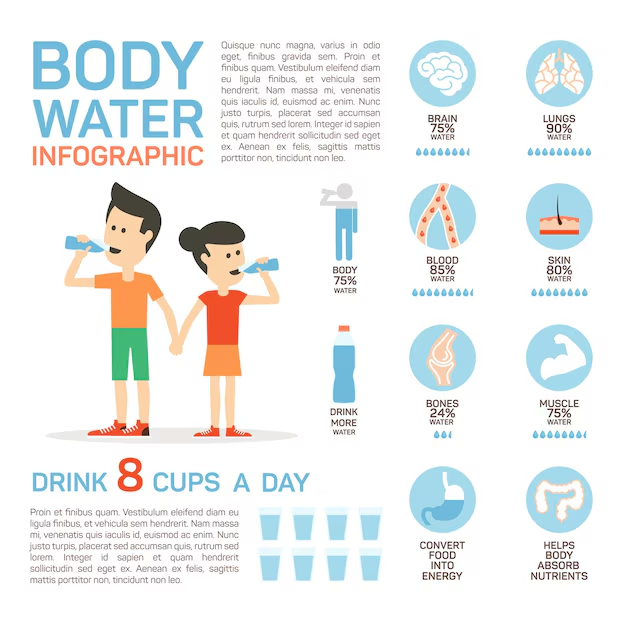
Staying hydrated doesn’t have to be difficult. Here are some simple tips to help you drink more water and stay hydrated:
Carry a Water Bottle
- Keep a reusable water bottle with you throughout the day. This makes it easier to sip water whenever you need it and track your intake.
Add Flavor to Your Water
- If plain water feels boring, add slices of lemon, cucumber, or mint to give it a refreshing taste. Herbal teas are also a great way to stay hydrated.
Start Your Day with Water
- Make it a habit to drink a glass of water as soon as you wake up. It’ll jump-start your hydration for the day and help your body replenish fluids lost overnight.
Eat Water-Rich Foods
- Many fruits and vegetables have high water content, which can contribute to your daily hydration needs. Some of the best options include cucumbers, watermelon, strawberries, oranges, and celery.
Set Reminders
- If you find yourself forgetting to drink water, set reminders on your phone or use an app to help you stay on track.
Hydrate Before, During, and After Exercise
- Make sure to hydrate before and after a workout to replace fluids lost through sweat. If you’re doing intense or long-duration exercise, drink water during your session as well.
The Bottom Line:
Proper hydration is essential for every aspect of your health. It impacts everything from digestion and physical performance to mental clarity and mood. By making hydration a priority and drinking water consistently throughout the day, you’ll keep your body in top condition, feel more energized, and improve your overall well-being.
So, next time you feel thirsty or before your next meal, grab that glass of water and start fueling your body for success!
Call to Action:
Want more health tips and wellness advice? Subscribe to our Newshunt for weekly content on how to stay healthy, hydrated, and energized!
