

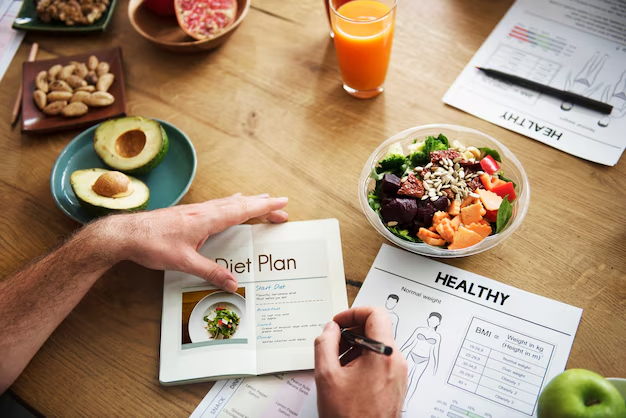
How to Build a Balanced Plate: A Simple Guide to Nourishing Your Body
Introduction:
In today’s busy world, it can be overwhelming to figure out what to eat for a healthy diet. With so many diet trends and conflicting advice, it’s hard to know where to start. One of the easiest ways to create balanced meals that nourish your body is by learning how to build a balanced plate. By incorporating the right proportions of food groups, you can ensure that you’re getting all the essential nutrients your body needs. Let’s dive into how to build a balanced plate that fuels your day!
The Concept of a Balanced Plate
A balanced plate is a simple visual guide to help you structure meals that include the right proportions of macronutrients (carbohydrates, proteins, and fats) and micronutrients (vitamins and minerals). By following this method, you’ll be able to create meals that support energy, health, and overall well-being.
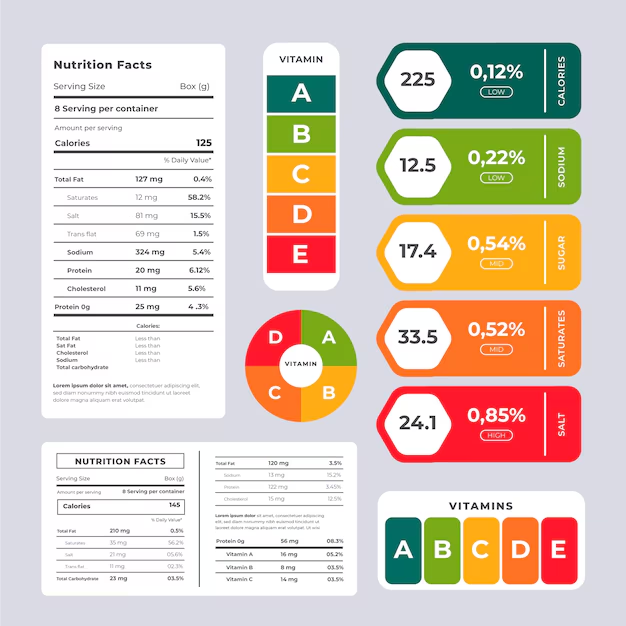
The Plate Method: A Simple Approach to Balanced Eating
The Plate Method divides your plate into three sections, ensuring that each meal contains a healthy variety of food groups. Here’s how you can organize your plate:
Half of Your Plate: Fruits and Vegetables
- Why it matters: Fruits and vegetables are packed with vitamins, minerals, antioxidants, and fiber, which are essential for digestion, immune function, and overall health.
- Focus on variety: The more colorful your plate, the more diverse the nutrients you’ll get. Each color represents different beneficial compounds.
- How to incorporate:
- Vegetables: Aim for non-starchy vegetables like leafy greens, peppers, carrots, broccoli, and zucchini. These are low in calories but high in nutrients.
- Fruits: Fresh fruits like berries, apples, oranges, and grapes are rich in vitamins and antioxidants. Enjoy them raw or as a topping for your meals.
Tip: Try to include at least one vegetable at every meal. Roasting, steaming, or sautéing can bring out different flavors, making it easier to enjoy more veggies.
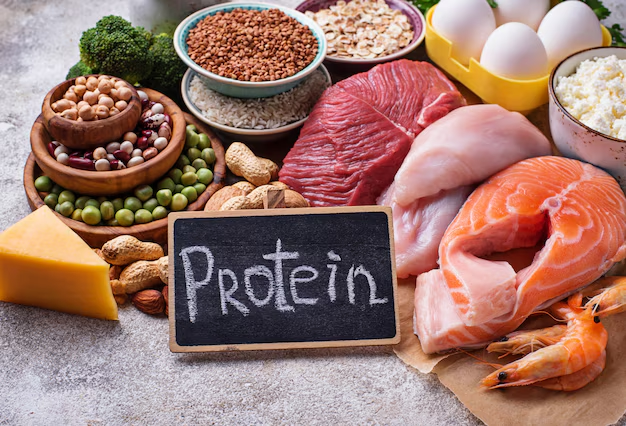
- One-Quarter of Your Plate: Lean Proteins
- Why it matters: Protein is essential for building and repairing tissues, maintaining muscle mass, and supporting immune health. It also helps you feel full and satisfied.
- Protein sources: Choose lean options that are lower in saturated fat. Great sources include:
- Animal-based: Chicken, turkey, fish, eggs, and lean cuts of beef or pork.
- Plant-based: Tofu, tempeh, legumes (lentils, chickpeas, black beans), quinoa, and edamame.
Tip: If you’re following a plant-based diet, aim to combine different plant proteins to ensure you get all the essential amino acids.
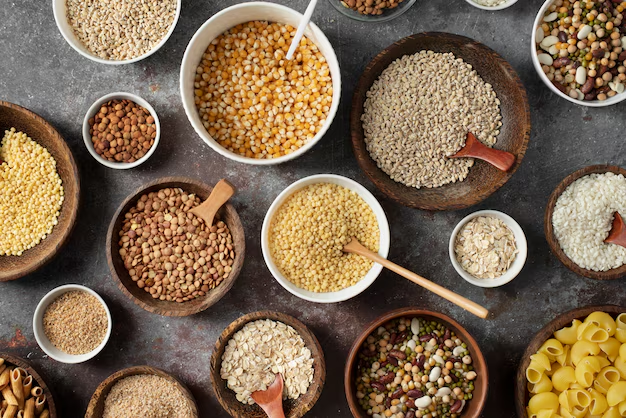
One-Quarter of Your Plate: Whole Grains
- Why it matters: Whole grains provide complex carbohydrates, which are your body’s primary source of energy. They also contain fiber, which supports digestion and helps maintain steady blood sugar levels.
- Whole grain options: Choose whole grains over refined grains for added nutrients. Great choices include:
- Brown rice, quinoa, oats, barley, bulgur, and farro.
- Whole grain bread, pasta, and tortillas (look for “100% whole grain” on the label).
- How it helps: Whole grains are digested more slowly than refined grains, providing sustained energy throughout the day.
Tip: Swap out white rice and white pasta for brown rice, whole wheat pasta, or quinoa to increase fiber intake.
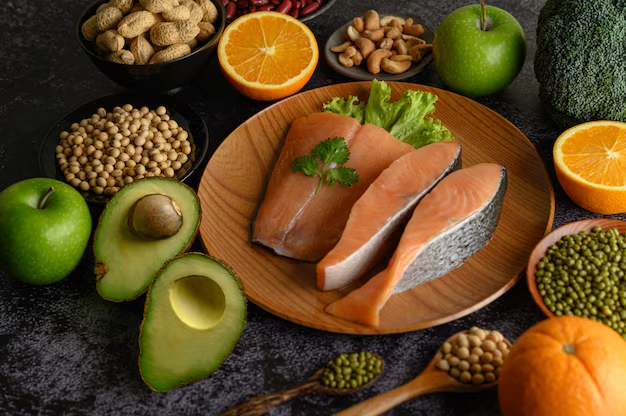
Don’t Forget Healthy Fats!
While fats don’t have a designated section on the plate, they should still be part of a balanced meal. Healthy fats are vital for brain function, hormone production, and cell health. Include sources of healthy fats in your meals such as:
- Avocados, nuts, and seeds
- Olive oil and other plant-based oils (such as coconut or avocado oil)
- Fatty fish like salmon, mackerel, or sardines, which are rich in omega-3 fatty acids.
Tip: Use olive oil for cooking and dressings, add a handful of nuts or seeds to salads, or spread avocado on toast for a nutritious boost.
Building a Balanced Meal: Putting It All Together
Let’s put the Plate Method into practice with an example meal:
- Protein: Grilled chicken breast (1/4 of the plate)
- Vegetables: Steamed broccoli, mixed greens salad with tomatoes, cucumbers, and a drizzle of olive oil and lemon juice (1/2 of the plate)
- Whole Grains: A small serving of quinoa or brown rice (1/4 of the plate)
- Healthy Fats: A few slices of avocado added to the salad
This meal covers all the essential food groups, offering a variety of nutrients and flavors.
Why Portion Control Matters
Even when building a balanced plate, portion control is key to maintaining a healthy weight and preventing overeating. Here’s a quick guide on how to measure portions:
- Proteins: About the size of your palm (3-4 ounces)
- Grains: About the size of your fist (1/2 cup cooked)
- Vegetables: Aim for 2-3 cups of vegetables (the more, the better!)
- Healthy Fats: A small serving, such as 1 tablespoon of oil or a small handful of nuts
Tips for Success:
- Meal Prep: Plan and prepare meals ahead of time to avoid rushed decisions that could lead to unhealthy choices.
- Practice Mindful Eating: Pay attention to how your body feels before, during, and after eating. This can help you tune into your hunger cues and avoid overeating.
- Listen to Your Body: Everyone’s nutritional needs are different, so listen to your body’s signals of hunger and fullness. If you’re still hungry after a balanced meal, consider adding more vegetables or a small snack.
- Hydrate: Don’t forget to drink water throughout the day! Hydration is a key part of a balanced diet and aids digestion.
Final Thoughts:
Building a balanced plate is an easy and effective way to ensure you’re nourishing your body with the nutrients it needs. By following the Plate Method, you’ll have a clear visual guide to make healthier food choices without the need for complicated diets or calorie counting.
With a little planning and mindful eating, you can enjoy delicious, nutrient-dense meals that help you feel your best and thrive.
Call to Action:
Ready to start building balanced meals? Sign up for Newshunt weekly meal plans, healthy recipes, and nutrition tips straight to your inbox!
